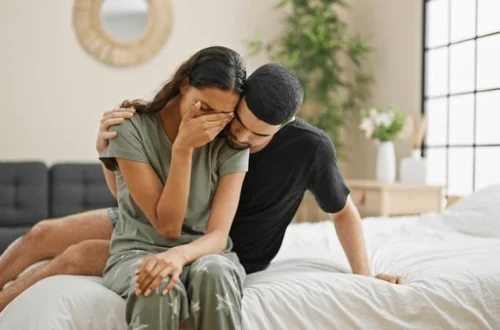
Is It Normal to Feel Trapped in a Relationship? What Your Feelings Mean
Feeling trapped in a relationship? Discover what these feelings mean, why they happen, and expert advice on whether to stay or leave. Learn the signs and solutions.
Feeling trapped in a relationship is more common than you might think. If you’re experiencing a gnawing sense of suffocation, restlessness, or the desire to escape your partnership, you’re not alone.
Thousands of people across the USA and UK search for answers to this question every month, wondering if their feelings are normal and what they should do next.
The short answer is yes—feeling trapped in a relationship can be normal, but it’s also a significant warning sign that shouldn’t be ignored.
These feelings are your emotional compass telling you that something needs attention, whether that’s a conversation with your partner, personal growth work, or potentially a difficult decision about the relationship’s future.
Related Post: How To Make This Christmas The Best One Yet For Your Marriage: Creating Memories That Bring You Closer
Understanding the “Trapped” Feeling
Feeling trapped in a relationship manifests differently for everyone. Some people describe it as a weight on their chest, others as a constant urge to run away. You might feel like you’re watching your life pass by through a window, unable to reach out and grab the opportunities you want.
This emotional state often comes with guilt, confusion, and fear—making it even harder to address.
According to relationship research published in the Journal of Social and Personal Relationships, feelings of entrapment in romantic partnerships often correlate with decreased relationship satisfaction, increased anxiety, and lower overall well-being. These feelings aren’t just “in your head”—they’re legitimate emotional responses to real circumstances.
Common Reasons Why People Feel Trapped
1. Loss of Personal Identity
One of the most prevalent reasons people feel trapped is the gradual erosion of their individual identity. When you first entered the relationship, you likely had hobbies, friends, and interests that defined who you were.
Over time, some people find themselves so enmeshed in their partnership that they’ve lost touch with the person they used to be.
Dr. Stan Tatkin, author and relationship therapist, notes that healthy relationships require a balance between “we” and “me.” When the scale tips too far toward “we,” individuals can feel suffocated and trapped, even in loving relationships.
2. Financial Dependency
Money is one of the most significant factors keeping people in relationships they want to leave. Whether it’s shared mortgages, joint bank accounts, or one partner being the primary breadwinner, financial entanglement creates very real barriers to leaving.
A 2023 survey by Bankrate found that 23% of partnered Americans feel they cannot afford to leave their relationship, even if they’re unhappy.
This is particularly common when one partner has sacrificed career advancement to support the other’s ambitions or to care for children. The fear of financial instability can feel overwhelming, making the relationship feel like a cage.
3. Fear of Being Alone
Humans are wired for connection. The fear of loneliness, starting over, or never finding someone else can keep people locked in unfulfilling relationships.
This fear becomes even more pronounced as we age or if we’ve been in a long-term relationship. You might think, “What if this is as good as it gets?” or “I’m too old to start dating again.”
These fears are understandable but often exaggerated. Research from the American Psychological Association shows that people consistently overestimate how difficult life transitions will be and underestimate their own resilience and ability to adapt.
4. Children and Family Obligations
For couples with children, the stakes feel impossibly high. Many people stay in unhappy relationships “for the kids,” believing that an intact family unit—even an unhappy one—is better than separation.
This creates immense pressure and can make you feel trapped between your own needs and your children’s wellbeing.
Family therapist Esther Perel points out that children are remarkably perceptive. They often sense tension and unhappiness in the home, and modeling an unfulfilling relationship may teach them unhealthy patterns about love and partnership.
5. Investment and Sunk Cost Fallacy
The longer you’ve been with someone, the harder it feels to leave. You’ve invested years, shared experiences, built a life together. Walking away can feel like admitting failure or wasting all that time. This is known as the “sunk cost fallacy”—continuing something because of past investment rather than future benefit.
You might think, “We’ve been together for eight years. How can I just throw that away?” But as relationship expert Dr. Alexandra Solomon explains, time invested isn’t a reason to stay in a relationship that no longer serves you. Your future happiness matters more than past investments.
6. Emotional Manipulation or Abuse
Sometimes, feeling trapped isn’t just an internal experience—it’s the result of a partner’s controlling or manipulative behavior. Emotional abuse can be subtle: guilt-tripping, isolation from friends and family, threats of self-harm if you leave, or making you feel like you’re crazy for wanting space.
If your partner makes you feel like you can’t leave, constantly criticizes you, monitors your activities, or uses threats to keep you in the relationship, this is not a normal “trapped” feeling—it’s a dangerous situation that requires professional help and potentially an exit strategy.
Signs You’re Feeling Trapped in Your Relationship
Recognizing the signs is the first step toward addressing the problem. Here are common indicators:
- You fantasize about being single or imagine what life would be like without your partner
- You feel relief when your partner is away rather than missing them
- You’ve stopped making future plans together or feel dread when discussing the future
- Physical intimacy feels like an obligation rather than a desire
- You’re staying for external reasons (money, kids, fear) rather than love
- You feel like you’re walking on eggshells or can’t be your authentic self
- Your mental or physical health is deteriorating due to relationship stress
- You’ve emotionally checked out but physically remain in the relationship
What Your Feelings Actually Mean
Feeling trapped doesn’t automatically mean you should end your relationship. These feelings are messengers, not definitive answers. They’re telling you that something needs to change, but what that change looks like varies.
It Might Mean You Need Better Boundaries
Sometimes, feeling trapped indicates that you’ve lost your sense of self within the relationship. You might need to reclaim hobbies, friendships, or personal space. This doesn’t mean you don’t love your partner—it means you need balance.
It Might Mean Communication Has Broken Down
When couples stop talking about their needs, resentments build and partners can feel misunderstood and trapped. Sometimes, honest conversation about how you’re feeling can transform the relationship entirely.
It Might Mean You’ve Outgrown the Relationship
People change, and sometimes couples grow in different directions. The relationship that worked when you were 25 might not fit who you are at 35. This is painful but not uncommon.
It Might Mean There Are Serious Issues to Address
Feeling trapped can signal legitimate problems: incompatibility, unresolved conflicts, unmet needs, or patterns of behavior that are damaging to your wellbeing.
What to Do When You Feel Trapped
1. Give Your Feelings Space and Validation
Don’t immediately dismiss your feelings as silly or ungrateful. They’re valid and important. Journal about them, talk to a trusted friend, or work with a therapist to understand what’s beneath the surface.
2. Identify the Root Cause
Is it the relationship itself, or external stressors? Are you trapped by circumstances (finances, children) or by genuine incompatibility? Understanding the source helps you find the right solution.
3. Communicate With Your Partner
If you feel safe doing so, have an honest conversation with your partner. Use “I” statements: “I’ve been feeling overwhelmed and like I’ve lost myself” rather than “You make me feel trapped.” Their response will tell you a lot about whether the relationship can improve.
4. Seek Professional Help
A couples therapist can provide tools and perspectives that help you both understand these feelings. If you’re considering leaving, individual therapy can help you process the decision and build courage.
5. Create an Exit Plan (If Necessary)
If you’ve determined that leaving is the right choice, create a practical plan. This might include:
- Financial preparation (separate bank account, understanding assets)
- Housing arrangements
- Legal consultation if married
- Support system activation
- Safety planning if there’s any abuse
6. Reclaim Your Independence Within the Relationship
Sometimes, the solution is to rebuild your sense of self while staying partnered. This might mean:
- Pursuing hobbies independently
- Maintaining separate friendships
- Setting boundaries around personal time
- Renegotiating household responsibilities
When to Leave vs. When to Stay
This is the question that keeps people awake at night. There’s no universal answer, but here are some guidelines:
Consider staying and working on it if:
- You still have love and respect for your partner
- Both people are willing to work on the relationship
- The problems are circumstantial (stress, life transitions) rather than fundamental incompatibility
- You haven’t truly communicated how you’re feeling
- There’s no abuse, manipulation, or safety concerns
Consider leaving if:
- There’s emotional, physical, or financial abuse
- Your partner refuses to acknowledge problems or work on solutions
- You’ve tried counseling and communication without improvement
- You’re staying purely out of fear or obligation, not love
- Your mental or physical health is seriously compromised
- You fundamentally want different things from life
- You’ve emotionally left the relationship already
Moving Forward With Clarity
Feeling trapped in a relationship is a deeply uncomfortable experience, but it’s also an opportunity for growth and clarity. Whether you ultimately choose to stay and rebuild or leave and start fresh, honoring your feelings is the first step toward a more authentic, fulfilling life.
Remember that wanting to leave doesn’t make you a bad person, and feeling scared doesn’t mean you’re weak. These are complex, life-altering decisions that deserve time, thought, and support.
If you’re reading this and recognizing yourself in these words, take a deep breath. You have more options than you think, more strength than you know, and the right to pursue a life that feels expansive rather than constrictive.
Final Thoughts
Your feelings matter. Whether you’re feeling trapped because of genuine relationship problems or because you’ve lost yourself along the way, these emotions are pointing you toward something that needs attention. The courage to acknowledge these feelings and take action—whatever that action looks like—is the first step toward a life that feels true to who you are.
Don’t let fear keep you frozen. Reach out for help, start the conversations you’ve been avoiding, and trust that whatever happens next, you have the capacity to handle it and ultimately thrive.
References:
- Journal of Social and Personal Relationships, “Entrapment in Romantic Relationships”
- Bankrate Financial Survey, 2023
- American Psychological Association, Research on Resilience and Life Transitions
- Dr. Stan Tatkin, “Wired for Love: How Understanding Your Partner’s Brain Can Help You Defuse Conflict”
- Esther Perel, “The State of Affairs: Rethinking Infidelity”
- Dr. Alexandra Solomon, “Loving Bravely: Twenty Lessons of Self-Discovery to Help You Get the Love You Want”


You May Also Like
How To Express Your Needs Without Starting A Fight: A Complete Guide to Conflict-Free Communication

3 Essential Ingredients for a Marriage That Lasts a Lifetime