
How To Create Meaningful Christmas Traditions As A Married Couple (That Don’t Feel Forced)
Discover how to create authentic Christmas traditions as a married couple that strengthen your bond without feeling obligatory. Expert tips for building meaningful holiday rituals that last a lifetime.
The twinkling lights are up, the scent of pine fills the air, and suddenly you’re faced with a question that millions of married couples grapple with each December: “What are our Christmas traditions supposed to be?”
If you’re newly married, you might feel the pressure of merging two families’ worth of holiday expectations. If you’ve been together for years, perhaps your once-exciting traditions now feel stale or obligatory.
The truth is, creating meaningful Christmas traditions as a married couple shouldn’t feel like checking boxes on a holiday to-do list—it should feel natural, joyful, and uniquely yours.
According to relationship experts at The Gottman Institute, shared rituals and traditions are among the key ingredients that strengthen marital bonds and create what they call “shared meaning” in relationships. But here’s the catch: forced traditions can have the opposite effect, breeding resentment instead of romance.
This comprehensive guide will walk you through how to build Christmas traditions that genuinely reflect your relationship, honor both partners’ backgrounds, and create memories you’ll actually want to repeat year after year.
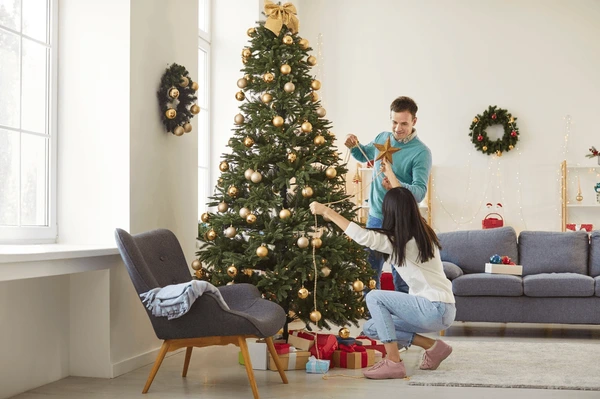
Understanding Why Authentic Traditions Matter in Marriage
Before diving into the “how,” let’s explore the “why.” Christmas traditions serve a deeper purpose in marriage than simply having something to post on social media or living up to Hallmark movie standards.
Research published in the Journal of Family Psychology found that couples who establish meaningful rituals report higher relationship satisfaction and better communication patterns. Dr. William Doherty, professor of Family Social Science at the University of Minnesota, explains that traditions create “intentional time together” that strengthens the marital bond amidst life’s chaos.
The key word here is meaningful. A tradition loses its power when it becomes:
- Something you do out of guilt or obligation
- A source of stress rather than joy
- A carbon copy of what your parents did without personal adaptation
- An Instagram-worthy performance rather than an authentic experience
Authentic traditions, on the other hand, emerge from your shared values, reflect your unique personalities, and evolve naturally as your relationship grows.
Step 1: Have “The Tradition Talk” (Without the Pressure)
The foundation of creating meaningful Christmas traditions starts with honest, pressure-free communication. Many couples skip this crucial step and either default to one person’s family traditions or stumble through years of unspoken expectations.
Schedule a relaxed conversation—perhaps over dinner or during a cozy evening at home—where you both share:
Your childhood Christmas experiences: What did you love? What felt magical? What do you remember most fondly? Understanding each other’s holiday history provides insight into what might resonate emotionally for your partner.
What you’d rather leave behind: Be honest about traditions that didn’t work for you. Maybe you hated the stress of elaborate Christmas Eve dinners or found gift-opening chaos overwhelming. This isn’t about criticizing anyone’s family—it’s about identifying what doesn’t align with who you are as a couple.
Related Post: How To Keep Your Marriage Strong During The Holiday Stress: A Complete Guide to Surviving Christmas Together
Your current holiday values: What matters most to you now? Is it quality time, spiritual connection, giving back, creating a magical atmosphere, or simply resting together? According to relationship therapist Dr. Alexandra Solomon, author of “Loving Bravely,” aligning on core values prevents tradition conflicts before they start.
Your ideal Christmas feeling: Close your eyes and imagine your perfect Christmas as a married couple. How does it feel? Peaceful? Joyful? Cozy? Adventurous? This emotional target helps guide tradition creation.
Document these conversations. You might discover surprising commonalities or realize you’re more different than you thought—both outcomes are valuable information.
Step 2: Audit Existing Expectations (The Good, The Obligatory, and The Negotiable)
Most couples enter marriage with invisible suitcases full of holiday expectations. The problem? You can’t see what’s in your partner’s suitcase until something spills out, usually in the form of disappointment or conflict.
Create three categories together:
Non-negotiables: These are traditions or values that feel essential to your sense of Christmas. Maybe attending midnight mass is deeply important to one partner, or perhaps having Christmas morning at home (not traveling) is crucial for the other. Be selective here—if everything is non-negotiable, nothing is.
Would be nice but flexible: These are traditions you enjoy but could adapt, skip occasionally, or compromise on. Perhaps you love elaborate decorating but could simplify if your partner finds it stressful.
Ready to release: These are expectations you’re willing to let go of entirely. Maybe you’ve always had a real tree, but your spouse is allergic—an artificial tree becomes the new normal, and that’s okay.
A study from the University of Denver’s relationship research center found that couples who successfully navigate holiday stress are those who clearly communicate priorities and show flexibility on secondary issues. This audit exercise accomplishes exactly that.
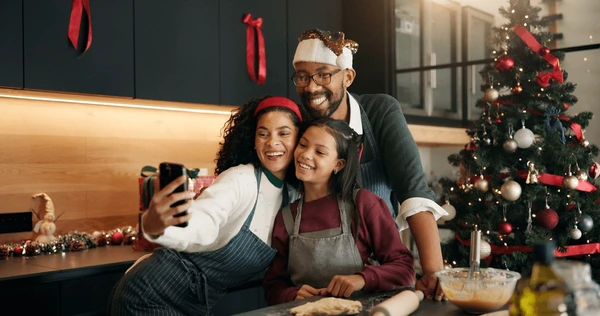
Step 3: Start Small and Build Gradually
One of the biggest mistakes couples make is trying to establish ten new traditions immediately. This approach leads to overwhelm, pressure, and traditions that feel forced rather than organic.
Instead, identify 2-3 simple traditions to experiment with this year. Think of it as a trial period. Some will stick, some won’t, and that’s perfectly normal.
Consider “micro-traditions” that require minimal effort but maximum meaning:
- The annual ornament exchange: Each year, give each other one meaningful ornament and share why you chose it. Over decades, you’ll build a tree full of memories.
- Christmas morning breakfast ritual: Maybe it’s homemade cinnamon rolls, special coffee, or breakfast in bed—something simple but special that marks the day.
- The gratitude moment: Before opening gifts, share three things you’re grateful for about your spouse from the past year.
- Evening walk to see lights: Bundle up and take a quiet walk through your neighborhood or a nearby light display, just the two of you.
These micro-traditions require minimal planning but create consistent connection points. According to relationship researcher Dr. John Gottman, it’s the small, consistent rituals that build what he calls “emotional bank accounts” in marriages.
Step 4: Blend Family Traditions Thoughtfully (Not Forcefully)
Blending family traditions is where many couples get stuck. You love your family’s tradition of opening gifts on Christmas Eve; your spouse’s family strictly waits until Christmas morning. How do you honor both without exhausting yourselves?
The rotation method: Alternate years or aspects of traditions. Christmas Eve with one family this year, Christmas Day with the other. Next year, reverse it.
The hybrid approach: Create a new tradition that incorporates elements from both families. Perhaps you open one gift on Christmas Eve (honoring one tradition) and save the rest for Christmas morning (honoring the other).
The “our own thing” boundary: Designate Christmas Eve or Christmas night as your private couple time, regardless of family activities earlier in the day. This ensures you’re building your marriage’s traditions, not just participating in others’.
The geographical solution: If you live far from both families, use this as an opportunity to video call them during their traditions while creating entirely new ones in your home.
Dr. Terri Orbuch, relationship expert and author of “5 Simple Steps to Take Your Marriage from Good to Great,” emphasizes that couples who successfully navigate family-of-origin traditions do so by creating clear boundaries while maintaining respect.
You’re not rejecting your families—you’re prioritizing your marriage, which is actually the healthier choice.
Step 5: Embrace Imperfection and Flexibility
Here’s a liberating truth: The most meaningful traditions often emerge from imperfect moments, not Pinterest-perfect planning.
Maybe your first attempt at making gingerbread houses together turns into a hilarious disaster—and suddenly, “The Annual Gingerbread Disaster” becomes your favorite tradition. Perhaps you plan an elaborate Christmas Eve dinner but end up ordering pizza because you’re exhausted—and that pizza night becomes a stress-free tradition you repeat.
Allow traditions to evolve. What works in your first year of marriage might not work when you have kids, or when you’re juggling demanding careers, or when you’re empty nesters. The best traditions adapt to life’s seasons.
Permission to skip or modify: Some years are harder than others. Maybe you’re dealing with job loss, grief, illness, or simply burnout. It’s okay to simplify or skip traditions without guilt. A tradition should serve your relationship, not the other way around.
Research from the American Psychological Association indicates that couples who maintain flexibility during stressful seasons report better relationship outcomes than those who rigidly adhere to expectations regardless of circumstances.
Step 6: Focus on Connection, Not Performance
Social media has created a toxic expectation that Christmas should look a certain way. The reality? The most meaningful traditions often happen in unglamorous moments—sitting in matching pajamas watching a movie, taking a quiet drive to see lights, reading together by the fire.

Ask yourselves: “Does this tradition bring us closer together, or is it about looking good to others?”
Connection-focused traditions include:
- The annual “State of Us” conversation: Take time on Christmas or shortly after to reflect on your marriage’s highlights from the past year and set intentions for the coming year.
- Memory-making over gift-giving: Instead of expensive presents, give each other “experience gifts”—tickets to a show, a weekend away, or even just a coupon book of meaningful gestures.
- Technology-free time blocks: Designate certain parts of Christmas Day as phone-free, allowing you to be fully present with each other.
- The annual photo (just you two): Forget the professional family portraits—take one silly or sweet photo together each Christmas. Look back at them in 20 years and watch your love story unfold.
Dr. Gary Chapman, author of “The 5 Love Languages,” notes that the most successful holiday traditions speak to both partners’ love languages. If your spouse values quality time, a tradition of a long Christmas Eve walk means more than elaborate gifts. If they value acts of service, cooking their favorite Christmas breakfast speaks volumes.
Step 7: Create Traditions That Reflect Your Unique Story
The most meaningful traditions are those that nobody else has—because they’re rooted in your specific relationship.
Think about:
Your love story: Did you meet in December? Have your first kiss under Christmas lights? Incorporate these elements into traditions. Perhaps you revisit the place you met each Christmas season.
Your shared interests: Love hiking? Start a tradition of a Christmas Day nature walk. Both foodies? Make trying a new Christmas recipe together your annual tradition. Movie buffs? Create a Christmas film marathon with your personal top-five list that you watch each year.
Your inside jokes and quirks: Maybe you always laugh about a specific holiday mishap or share a love for terrible Christmas sweaters. Lean into what makes you uniquely you as a couple.
One couple I interviewed for this article shared their tradition of hiding a specific ornament (a pickle, in their case) on the tree each year, with the finder getting to choose what’s for breakfast. It’s silly, personal, and deeply meaningful to them—which is exactly what makes it perfect.
Step 8: Include “Giving Back” Traditions
Some of the most fulfilling Christmas traditions involve looking outward together. Shared service strengthens marriages by creating purpose beyond yourselves.
Consider traditions like:
- Annual charity selection: Each year, research and choose a charity together to support, discussing what causes matter to you both.
- Volunteering together: Serve at a soup kitchen, organize a toy drive, or participate in a charity event as a couple.
- Adopting a family: Many organizations allow you to “adopt” a family for Christmas, providing gifts and necessities.
- The giving tree: Instead of buying each other expensive gifts, donate that money and buy each other small, meaningful items. Discuss the impact you’re making together.
Research published in the Journal of Positive Psychology found that couples who engage in prosocial activities together report increased relationship satisfaction and feelings of closeness. Giving back becomes a shared value that strengthens your marital bond.
Step 9: Document and Reflect (Without Obsessing)
While you shouldn’t perform traditions for social media, there’s value in documenting your journey. Years from now, you’ll treasure these memories.
Simple documentation methods:
- A Christmas journal: Each year, write a page or two about your holiday, what you did, how you felt, funny moments, or challenges you overcame.
- Photo album or digital folder: Collect photos from each Christmas in one place, watching your traditions (and yourselves) evolve.
- The ornament story: If you adopt the ornament exchange tradition, write on a tag or in a notebook the story behind each ornament.
This documentation serves a purpose beyond nostalgia. Reviewing past Christmases helps you identify which traditions truly brought joy and which felt like obligations. It’s data for refining your approach each year.
Step 10: Communicate and Adjust Annually
Your first Christmas together will look different from your tenth, and your twentieth will look different still. The best traditions adapt.
Make it a practice—perhaps in early December or even in January after the holiday—to debrief:
What worked well this year? What brought you joy and felt meaningful?
What felt stressful or forced? Be honest without blame. Maybe traveling to three different family gatherings was too much.
What do you want to change next year? Adjustments don’t mean failure—they mean growth and responsiveness to your relationship’s needs.
What new tradition might you try? Keep your traditions fresh by occasionally experimenting with something new while maintaining your core rituals.
This annual check-in prevents traditions from becoming stale obligations and ensures they continue serving your marriage’s evolving needs.
Common Pitfalls to Avoid
As you build your Christmas traditions, watch out for these common mistakes:
Tradition overload: Less is more. Three meaningful traditions beat fifteen obligatory ones.
Rigid perfectionism: When traditions become about execution rather than connection, they’ve lost their purpose.
Ignoring one partner’s needs: Both partners should feel represented and heard in your traditions. If one person is doing all the planning and executing, resentment builds.
Comparison to others: Your traditions should reflect your relationship, not match your friends’ or family’s expectations.
Forgetting to have fun: If you’re so focused on maintaining traditions that you’re not actually enjoying Christmas, something needs to change.
When Traditions Need to Change
Sometimes traditions outlive their usefulness, and that’s okay. Maybe the elaborate Christmas Eve party you hosted for five years has become a burden. Maybe your financial situation has changed and expensive gift-giving no longer makes sense.
Relationship expert Esther Perel reminds us that “the quality of your relationships determines the quality of your life.” If a tradition is harming your relationship quality—creating stress, conflict, or disconnection—it’s time to let it go or transform it.
Have courage to say, “This tradition isn’t working for us anymore,” and the creativity to imagine what might replace it.

The Ultimate Goal: Shared Meaning
At the end of the day, Christmas traditions in marriage aren’t about the perfect tree, the most elaborate meal, or the most Instagram-worthy moments. They’re about creating what the Gottmans call “shared meaning”—a sense that you’re building something together that’s bigger than yourselves.
Your Christmas traditions become part of your relationship’s narrative, the story you’ll tell yourselves about who you are as a couple. They’re touchstones that say, “This is us. This is what we value. This is how we love each other.”
Some years your traditions will feel magical. Other years, you’ll simply be grateful to survive the season together. Both are perfectly valid, and both contribute to your marriage’s rich tapestry.
Conclusion: Permission to Create Your Own Christmas Story
If there’s one message to take away from this guide, it’s this: You have complete permission to create Christmas traditions that feel authentic to your marriage, even if they look nothing like anyone else’s.
You don’t need matching pajamas, a perfectly decorated home, or elaborate gift exchanges. You need presence, intention, and a willingness to build something uniquely yours together.
The most beautiful Christmas traditions aren’t the ones that look best in photos—they’re the ones that make you feel most connected to your spouse. They’re the rituals that, when you look back decades from now, will make you smile and think, “That was us. That was our life together.”
Start small, communicate openly, embrace imperfection, and give yourselves grace. Your meaningful Christmas traditions aren’t something you force into existence—they’re something you discover together, one honest conversation and authentic moment at a time.
This Christmas, focus less on creating the “perfect” holiday and more on creating perfect moments of connection with the person you chose to spend your life with. That’s the tradition that will matter most in the end.
References:
- The Gottman Institute. (2023). “The Importance of Rituals in Relationships.” www.gottman.com
- Fiese, B. H., et al. (2002). “A review of 50 years of research on naturally occurring family routines and rituals.” Journal of Family Psychology, 16(4), 381-390.
- Doherty, W. J. (1997). “The Intentional Family: Simple Rituals to Strengthen Family Ties.” New York: Harper Collins.
- Solomon, A. (2017). “Loving Bravely: Twenty Lessons of Self-Discovery to Help You Get the Love You Want.” Oakland: New Harbinger Publications.
- Orbuch, T. (2009). “5 Simple Steps to Take Your Marriage from Good to Great.” New York: Delacorte Press.
- Chapman, G. (2015). “The 5 Love Languages: The Secret to Love that Lasts.” Chicago: Northfield Publishing.
- American Psychological Association. (2022). “Managing Holiday Stress in Relationships.” www.apa.org
- Aknin, L. B., et al. (2013). “Prosocial spending and well-being: Cross-cultural evidence for a psychological universal.” Journal of Personality and Social Psychology, 104(4), 635-652.
This article provides educational information about relationships and should not replace professional counseling or therapy when needed.


You May Also Like

9 Ways to Support Your Spouse During Difficult Times

9 Ways to Reconnect With Your Spouse When You Feel Distant