6 Proven Strategies To Overcome Loneliness In A Long-Distance Relationship
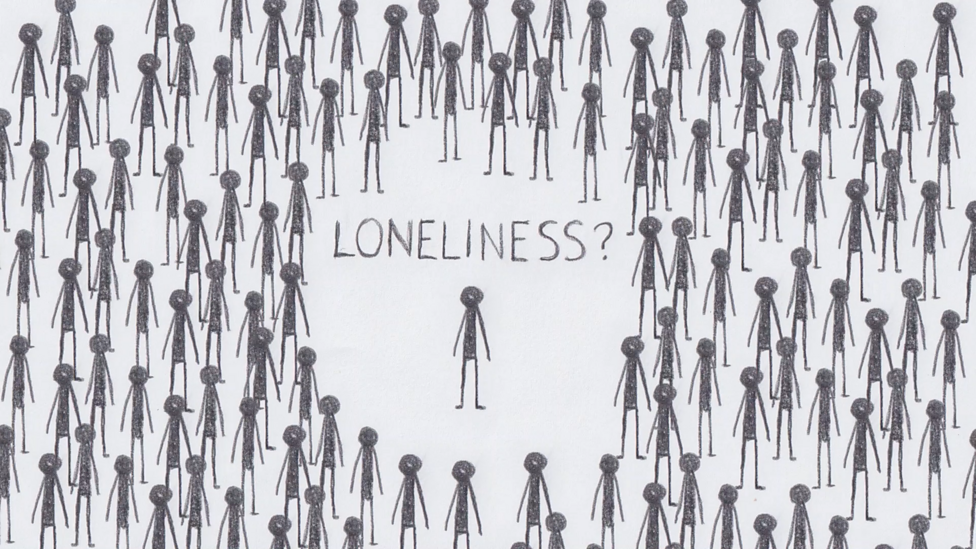
Let me be honest with you: loneliness in a long-distance relationship is one of the most painful paradoxes of modern love. You’re in a committed relationship, you have a partner who loves you, and yet you can feel profoundly, achingly alone.
You might find yourself crying in an empty apartment after a video call ends, or feeling a surge of jealousy when you see couples holding hands at the coffee shop. You’re not broken, and your relationship isn’t necessarily failing. You’re simply experiencing one of the most challenging aspects of loving someone from afar.
Here’s what nobody tells you about long-distance loneliness: it’s different from regular loneliness. When you’re single and lonely, you can seek connection freely. You can go on dates, flirt, pursue new relationships. But when you’re in a long-distance relationship and feeling lonely, you’re simultaneously committed to someone and physically isolated from them. You have a partner who can’t be present, and you can’t seek physical intimacy elsewhere. It’s a unique form of emotional limbo that can feel impossible to navigate.
I’ve spent over a decade counseling couples through the challenges of distance, and I can tell you this: loneliness in long-distance relationships is normal, manageable, and doesn’t have to destroy your relationship. In fact, learning to navigate loneliness healthily can actually make you more emotionally resilient and your relationship stronger in the long run.

In this article, I’m going to share six proven strategies that actually work for overcoming loneliness in long-distance relationships. These aren’t generic platitudes or surface-level tips—they’re evidence-based approaches that I’ve seen transform how people experience distance and loneliness. Whether you’re struggling with occasional waves of loneliness or dealing with persistent feelings of isolation, these strategies will give you concrete tools to feel more connected, fulfilled, and emotionally balanced.
Understanding Loneliness in Long-Distance Relationships: Why It Happens
Before we dive into solutions, let’s talk about why loneliness hits so hard in long-distance relationships. Understanding the root causes helps you address them more effectively.
The physical touch deficit: Humans are wired for physical connection. Touch releases oxytocin, reduces cortisol, and literally makes us feel bonded to others. In a long-distance relationship, you’re experiencing what psychologists call “skin hunger” or “touch starvation.” Your body is missing something it biologically needs, and that manifests as emotional loneliness.
Absence during critical moments: Your partner isn’t there when you get promoted at work, when you’re sick with the flu, when you experience a family crisis, or when you simply have a terrible day. These moments of absence accumulate, creating a feeling that you’re navigating life alone even though you’re technically partnered.
The comparison trap: When you see local couples casually meeting for coffee or spontaneously spending time together, it highlights what you’re missing. Social media amplifies this, showing you an endless stream of couples doing “normal” relationship things that feel impossible for you.
Emotional availability without physical presence: Your partner is available to talk, but they can’t give you a hug. They can listen to your problems, but they can’t physically be there to help. This creates a frustrating disconnect between emotional support and tangible presence.
Identity confusion: Part of your identity is “person in a relationship,” but your daily life looks more like a single person’s routine. This disconnect between who you are internally and how your life appears externally can create existential loneliness.
The evening void: Loneliness often peaks at specific times—typically evenings and weekends when couples usually spend time together. Your partner might not even be available during these high-loneliness windows due to time zones or work schedules, leaving you to face them alone.
Understanding these root causes isn’t about wallowing—it’s about recognizing that your loneliness is a rational response to a difficult situation. Now let’s talk about what you can actually do about it.
Strategy 1: Build a Robust Local Support Network
This is the foundation of managing loneliness in a long-distance relationship, and it’s often the strategy people resist most. There’s a misconception that having an active social life somehow betrays your long-distance partner or indicates your relationship isn’t enough for you. Let me be clear: this thinking is not only wrong, it’s dangerous to your wellbeing and your relationship.
Why this strategy works: No single person, no matter how wonderful, can meet all your social and emotional needs. This is true in traditional relationships too, but proximity masks it. When couples live in the same city, they can see each other regularly while still maintaining separate friendships. In long-distance relationships, you need to deliberately create the social infrastructure that geography would naturally provide in a traditional relationship.
How to build your support network:
Start by taking inventory of your current social connections. Do you have friends you can call spontaneously for coffee? People who invite you to weekend activities? Friends who check in when you’re having a hard time? If the answer is no or only a few, it’s time to actively build these connections.
Join community activities based on genuine interests—not just to meet people, but to add richness to your life. This might be a book club, sports league, volunteer organization, professional networking group, or hobby class. The key is consistency. Showing up regularly to the same activity creates the repeated exposure that turns acquaintances into friends.
Invest seriously in friendships. This means initiating plans, following up after conversations, remembering important details about friends’ lives, and being the kind of friend you want to have. Friendship requires active cultivation, especially as an adult. Don’t wait for others to always initiate—be proactive.
Consider finding others in long-distance relationships. There’s unique comfort in connecting with people who understand your specific challenges. Online forums, local meetup groups, or even just one friend who’s also navigating distance can provide invaluable support and normalization.
Create regular social rituals. Maybe it’s Tuesday trivia with coworkers, Sunday brunch with a friend, or monthly game nights with a group. These rituals give you reliable connection points to look forward to and reduce the feeling that your social life is entirely dependent on your partner’s availability.
Common resistance and how to overcome it:
“I feel guilty doing fun things without my partner.” Reframe this: by building a fulfilling local life, you’re bringing more joy, stories, and emotional stability into your relationship. You’re making yourself a better partner. Your happiness isn’t a betrayal—it’s a contribution.
“Making new friends feels hard and awkward.” It absolutely can be, especially if you’re in a new city or haven’t actively pursued friendships in a while. Accept that initial awkwardness and push through it anyway. The discomfort of putting yourself out there is temporary; the loneliness of isolation is persistent.
“I don’t want to be the third wheel with couple friends.” Seek out other single people, people in similar situations, or couples who are good about including single friends. Also, remember that not all socializing has to be with couples—individual friendships are equally valuable.
The balance you’re seeking:
You’re not trying to replace your partner or distract yourself from missing them. You’re creating a life that’s fulfilling enough to sustain you between visits and communications. Think of your local support network as scaffolding that holds you up when your partner physically can’t. It’s not a consolation prize—it’s a necessary component of healthy adult life.
Strategy 2: Master the Art of Present-Moment Living
Loneliness in long-distance relationships is often amplified by living too much in the past (remembering when you were together) or the future (counting down until you’re together again). While some nostalgia and anticipation are healthy, excessive mental time-traveling intensifies feelings of loneliness in the present.
Why this strategy works: When you’re fully present in the current moment, you have access to whatever sources of connection, joy, or contentment exist right now. You’re not comparing your current reality to a better past or future—you’re simply experiencing what is. This doesn’t eliminate loneliness, but it significantly reduces its intensity and duration.
Practical techniques for staying present:
Mindfulness meditation: Even five to ten minutes daily can dramatically improve your ability to stay present. Use apps like Headspace, Calm, or Insight Timer if you’re new to meditation. The goal isn’t to empty your mind or stop feeling lonely—it’s to observe your feelings without being completely overtaken by them. You notice “I’m feeling lonely right now” rather than “I am alone and will always be alone and this is unbearable.”
Engage your senses: When loneliness hits hard, deliberately engage your five senses. What can you see, hear, smell, taste, and touch right now? This grounds you in the immediate physical reality rather than the emotional narrative of loneliness. Make a cup of tea and fully experience the warmth, aroma, and taste. Take a walk and notice details in your environment. The sensory world is always present-tense.
Schedule worry time: This might sound counterintuitive, but it works. Designate 15-20 minutes each day for processing difficult emotions about your relationship and the distance. During that time, feel everything fully—the loneliness, the longing, the frustration. When that time ends, consciously redirect your attention to the present. If lonely thoughts arise outside worry time, acknowledge them and say “I’ll think about this during my scheduled time.”
Practice gratitude in the moment: Not generic gratitude lists, but specific appreciation for present-moment experiences. “Right now, I’m grateful for the sunshine on my face.” “Right now, I’m grateful this coffee tastes delicious.” “Right now, I’m grateful for the kind text from my friend.” This trains your brain to notice what’s good in the present rather than fixating on what’s absent.
Create present-focused goals: Instead of only having future-oriented goals (“when we close the distance” or “on our next visit”), set goals for the present week or month that have nothing to do with your relationship. Complete a project, learn something new, improve your living space, achieve a fitness milestone. These present-focused achievements give you something to work toward that doesn’t require your partner’s physical presence.
The power of naming emotions: When loneliness arises, name it specifically: “I’m feeling lonely because it’s Saturday night and I wish my partner was here to watch movies with me.” This specific naming creates emotional distance and makes the feeling more manageable. It transforms loneliness from an all-encompassing state into a specific, temporary emotion with an identifiable cause.
Limitations and realistic expectations:
Present-moment living doesn’t mean pretending everything is perfect or never missing your partner. You will still feel loneliness—that’s appropriate given your situation. The difference is that loneliness becomes one feeling among many rather than the dominant emotional experience of your life. You can feel lonely and also feel content, engaged, and connected to the life you’re living right now.
Strategy 3: Redefine Connection Beyond Physical Presence
One of the most powerful shifts you can make is expanding your definition of connection and intimacy. Most people unconsciously define connection almost entirely through physical proximity, which sets them up for constant disappointment in a long-distance relationship.
Why this strategy works: Connection is not actually synonymous with physical presence—that’s just one form it takes. By recognizing and actively creating other forms of intimacy, you can feel genuinely connected to your partner even when you can’t touch them. This doesn’t eliminate the desire for physical closeness, but it provides real emotional sustenance between visits.
Different dimensions of intimacy to cultivate:
Emotional intimacy: This involves sharing your inner world—fears, dreams, insecurities, hopes—with your partner. Many long-distance couples actually develop deeper emotional intimacy than local couples because they rely so heavily on communication. Create space for vulnerable conversations. Share not just what happened in your day, but how you felt about it. Ask your partner questions that reveal their inner landscape.
Intellectual intimacy: Connect over ideas, debates, and learning together. Read the same books or articles and discuss them. Share podcasts that made you think. Debate philosophical questions. Teach each other about your respective fields or interests. This creates a sense of mental partnership and shared intellectual life.
Creative intimacy: Collaborate on creative projects despite the distance. Write a story together, create a shared playlist, design something, plan future adventures, or work on a joint goal. The act of creating something together—even digitally—builds connection and gives you a shared product of your partnership.
Experiential intimacy: Find ways to share experiences remotely. Watch movies simultaneously while on video call. Cook the same recipe “together” over video. Play online games. Take virtual tours of museums. Read aloud to each other. While these aren’t identical to in-person experiences, they create shared memories and inside references.
Ritual intimacy: Develop rituals that are unique to your long-distance relationship. Maybe you send good morning voice notes, have Saturday morning coffee “together” over video, or send a weekly letter. These rituals create continuity and predictability, making you feel connected to ongoing shared practices.
Practical ways to deepen non-physical connection:
Send tangible reminders of your presence. Letters, care packages, surprise deliveries, or items that smell like you give your partner physical touchpoints when video calls aren’t enough. One couple I worked with sent each other worn t-shirts so they could literally hold something that smelled like their partner.
Create an open voice memo or video channel. Some couples keep a running voice memo thread where they share random thoughts throughout the day—not expecting immediate responses, just maintaining a sense of ongoing conversation. It mimics the random thoughts you’d share if you lived together.
Share your daily mundane moments, not just highlights. Send photos of your breakfast, your commute, the sunset from your window. This recreates the casual sharing of life that happens naturally when couples live together. It’s not about anything significant—it’s about maintaining a sense of shared daily existence.
Practice digital presence. Sometimes just being on a video call while you each do your own thing—working, cooking, reading—creates a comforting sense of co-presence. You’re not entertaining each other; you’re simply existing together despite the distance.
The mental shift required:
This strategy requires letting go of the belief that physical presence is the only “real” form of connection. It’s not about pretending physical presence doesn’t matter—it absolutely does. It’s about recognizing that connection is multidimensional, and you have access to many of those dimensions regardless of distance. The goal is to feel genuinely connected through these other channels, not just to convince yourself you should feel connected.
Strategy 4: Develop a Rich Individual Life and Personal Identity
This might seem counterintuitive—how does focusing on yourself help with loneliness in your relationship? But this strategy is absolutely crucial and often transformative for people struggling with long-distance loneliness.
Why this strategy works: When your entire sense of wellbeing depends on your partner’s availability and the relationship’s status, you create an emotional house of cards. Every delay in their text response, every missed call, every challenging conversation becomes a crisis because your entire emotional stability rests on that one relationship. By developing a rich individual life, you distribute your emotional investment across multiple sources of meaning and satisfaction.
The fullness principle:
Think of your life as a cup. If your relationship is the only thing in the cup, every fluctuation in the relationship dramatically affects your emotional state because it impacts 100% of your contents. But if the cup contains your relationship plus meaningful work, hobbies, friendships, personal growth, community involvement, and creative pursuits, fluctuations in any one area affect a smaller percentage of your overall wellbeing.
This doesn’t mean your relationship matters less—it means you’re less vulnerable to feeling completely empty during the inevitable challenges of distance.
How to build a full individual life:
Pursue genuine personal interests: Not just as distraction, but because these activities genuinely matter to you. What did you love before this relationship? What have you always wanted to try? What makes you lose track of time? Invest seriously in these pursuits. Join a sports league, learn an instrument, take up photography, study a language, start a side project. The goal is flow states and genuine engagement, not just killing time until your next video call.
Prioritize personal growth: Use this period of distance as an opportunity for intentional self-development. This might mean therapy to work on personal issues, reading books that challenge your thinking, taking courses to develop new skills, or setting fitness goals. When you’re actively growing and improving, you have something meaningful to focus on besides the distance.
Cultivate career or academic fulfillment: Pour energy into your professional life. Take on new challenges, seek mentorship, improve your skills, work toward promotions. A fulfilling career provides daily structure, purpose, and accomplishment that significantly buffers against loneliness.
Create a home you love: Your living space should be a sanctuary, not just a place where you wait to be reunited with your partner. Decorate it, organize it, make it comfortable and aesthetically pleasing. Create spaces for your hobbies, relaxation, and productivity. When your environment feels good, being alone in it feels less lonely.
Establish personal routines and rituals: Develop morning routines, exercise habits, cooking practices, or evening wind-down rituals that are about you, not your relationship. These create structure and meaning in your daily life that exists independent of your partner’s schedule or availability.
Reconnect with yourself: Use the alone time for self-reflection and introspection. Journal, meditate, spend time in nature alone, take yourself on solo dates. Build a relationship with yourself that’s rich and satisfying. The better you know yourself and the more comfortable you are with your own company, the less threatening aloneness becomes.
Common mistakes to avoid:
Don’t fill every moment with frantic activity to avoid feeling lonely. That’s running from the feeling, not processing it. Build a genuinely fulfilling life, not just an exhaustingly packed schedule.
Don’t use personal development as another form of waiting. The thinking “I’ll use this time to get in shape so I look great when we’re reunited” is still making the relationship the focus. Instead, pursue growth because it makes your life better now.
Don’t feel guilty about having a full life. Some people worry that if they’re too happy alone, it means they don’t need their partner. That’s not how it works. Happiness isn’t finite. Being fulfilled in your individual life makes you a better, more stable, less needy partner.
The paradox:
Here’s the beautiful paradox: the more fulfilled you are individually, the less desperate and clingy you feel in your relationship, which actually makes the relationship healthier and more sustainable. And the less all-consuming your loneliness becomes, the more emotional energy you have to genuinely connect with your partner when you do communicate.
Strategy 5: Transform Loneliness into Productive Solitude
There’s a crucial difference between loneliness and solitude. Loneliness is the painful awareness of unwanted aloneness—you’re experiencing solitude as a deficit. Solitude is voluntary, rejuvenating aloneness—you’re experiencing it as an opportunity. Learning to transform one into the other is a game-changing skill for anyone in a long-distance relationship.
Why this strategy works: You can’t eliminate the physical aloneness inherent in long-distance relationships, but you can fundamentally change your relationship with it. When you learn to use alone time productively and even enjoyably, it stops feeling like suffering and starts feeling like valuable space for growth, creativity, and self-care.
The mental reframe:
This requires a significant psychological shift. Instead of thinking “I have to be alone,” reframe it as “I get to have this time for myself.” The circumstances are identical; only your interpretation changes. But that interpretation makes all the difference in your emotional experience.
How to create productive solitude:
Engage in deep work: Alone time is perfect for focused, cognitively demanding work that requires concentration. Whether it’s a professional project, academic work, creative endeavor, or personal project, use your solitude for the kind of deep work that’s impossible when you’re socially engaged. This transforms alone time from emptiness into productivity.
Practice intensive self-care: Create elaborate self-care rituals that you genuinely look forward to. Long baths with candles and music, elaborate skincare routines, cooking yourself beautiful meals, yoga sessions, or whatever self-nurturing looks like for you. Make these rituals special enough that alone time becomes associated with taking exquisite care of yourself.
Pursue creative projects: Creativity often requires solitude. Write, paint, make music, craft, build something, garden, cook experimentally. Creative flow states are deeply satisfying and naturally occur in solitude. Many people find that creative practice becomes a cherished aspect of their alone time rather than a consolation for it.
Read extensively: Deep reading is one of the most enriching solitary activities available. Build a reading habit that genuinely excites you—fiction that transports you, non-fiction that teaches you, poetry that moves you. Reading creates an internal richness that makes solitude feel full rather than empty.
Develop a contemplative practice: This might be meditation, prayer, journaling, nature walks, or any practice that involves turning inward. These practices help you process emotions, gain self-understanding, and develop inner peace. The goal is building internal resources that make you less dependent on external sources for emotional regulation.
Learn something challenging: Take an online course, learn a language, study a complex subject, master a new skill. The concentration required for serious learning is absorbing enough to provide genuine engagement and satisfaction. Plus, you’re building capabilities that enrich your entire life.
Creating the right conditions:
Transform your physical space for solitude. Create different zones for different solitary activities—a reading nook, a workspace, a creative corner. Lighting, temperature, music, and aesthetics all matter. Make your alone environment conducive to the kind of solitude you want to cultivate.
Schedule solitude intentionally. Mark time in your calendar for specific solitary activities you’re genuinely excited about. This shifts the experience from “I’m alone because my partner isn’t here” to “This is my scheduled time for the activity I’ve been looking forward to.”
Eliminate guilty feelings about enjoying solitude. Many people in long-distance relationships feel guilty when they realize they’re enjoying time alone, as if that enjoyment diminishes their love or desire to be with their partner. It doesn’t. You can deeply miss your partner and also deeply value solitude.
When solitude becomes authentic:
You’ll know this strategy is working when you occasionally feel genuinely reluctant to interrupt your solitary activity even for communication with your partner. That’s not problematic—it’s healthy. It means you’ve cultivated a relationship with solitude that provides real value and satisfaction. You’re not just tolerating aloneness; you’re sometimes choosing and cherishing it.
Strategy 6: Create an End Goal and Meaningful Milestones
Perhaps the most insidious form of loneliness in long-distance relationships comes from uncertainty and aimlessness. When you don’t know if or when the distance will end, loneliness becomes existential. You’re not just lonely now—you’re lonely in perpetuity, which feels unbearable.
Why this strategy works: Hope is a powerful antidote to loneliness. When you know that your current situation is temporary and you’re working toward a specific goal, the loneliness becomes more tolerable. It’s the difference between “I’m lonely and always will be” and “I’m lonely right now, but this is temporary and purposeful.”
Defining your end goal:
Have an honest, potentially uncomfortable conversation with your partner about when and how the distance will end. This might mean discussing:
- Who will move, and when?
- What conditions need to be met before closing the distance (finishing school, securing specific jobs, financial readiness)?
- If neither of you can or will move, is this relationship sustainable long-term?
Not all long-distance relationships are meant to eventually become proximate, and that’s okay. But you need clarity. The most damaging scenario is ambiguity—both of you vaguely assuming it’ll work out someday without concrete planning.
If you can’t set a definitive end date:
Sometimes the distance has an indefinite timeline due to careers, education, family obligations, or other factors. If you genuinely can’t set an end date, you still need a framework:
Establish decision points: “We’ll reassess our situation in six months and determine if one of us can make a change.” This prevents indefinite drifting.
Define what sustainability looks like: “We can maintain this distance for two years maximum, but not longer.” Or “We can do this long-term only if we see each other monthly.” Clear limits help you make informed decisions about whether to continue investing in the relationship.
Creating meaningful milestones:
Even if your ultimate end goal is years away, break the journey into milestones that give you closer targets to work toward and celebrate:
Visit countdowns: Always have your next visit scheduled and visible. Use countdown apps, mark calendars, plan specific activities for that visit. The anticipation of a visit provides psychological relief from loneliness.
Relationship milestones: Celebrate anniversaries, relationship “firsts” despite distance, and achievements in maintaining your connection. These mark progress and remind you that your relationship is advancing even without proximity.
Personal milestones: Set individual goals that you’re working toward during this period. When you achieve a career milestone, complete a degree, reach a fitness goal, or accomplish something significant, it provides meaning and purpose to the time you’re spending apart.
Financial milestones: If closing the distance requires financial resources, set savings goals and celebrate as you reach them. Seeing tangible progress toward your shared future makes the present loneliness feel more purposeful.
Communication milestones: Perhaps after six months, you implement new communication rituals. After a year, you take a special trip together. These markers create a sense of progression and evolution in your relationship.
The psychological impact of hope:
Research consistently shows that hope significantly impacts wellbeing and resilience. People can endure tremendous hardship when they believe it’s temporary and purposeful. Without hope, even minor discomfort becomes unbearable.
When you have a clear goal and meaningful milestones, your loneliness gains context. You’re not just lonely—you’re lonely while working toward something important. This doesn’t eliminate the pain, but it makes it purposeful rather than meaningless.
Warning signs:
If you consistently avoid having concrete conversations about ending the distance, that’s a red flag. If your partner dismisses your need for an end goal as “pressure” or refuses to make any plans, that’s concerning. If years pass with no progress toward closing the distance and no clear reason why, you need to seriously evaluate whether this relationship has a realistic future.
Loneliness with purpose is manageable. Loneliness without hope or direction is corrosive. Make sure your situation includes both a clear direction and realistic hope.
Integrating These Strategies: Creating Your Loneliness Management Plan
These six strategies work best when integrated into a cohesive approach rather than used in isolation. Here’s how to create a personalized plan:
Assess your current situation: Which forms of loneliness are most challenging for you? Evening loneliness? Weekend loneliness? Missing your partner during specific activities? Understanding your loneliness patterns helps you apply strategies most effectively.
Start with the foundation: Build your local support network first. This provides the scaffolding that makes other strategies possible. You can’t entirely overcome loneliness through internal work alone—you need actual human connection, even if it’s not with your romantic partner.
Layer in multiple strategies: Don’t rely exclusively on one approach. Maybe Mondays you have plans with friends (Strategy 1), Tuesday evenings are for solitary creative work (Strategy 5), Wednesday is your weekly video date with your partner where you practice different forms of connection (Strategy 3), Thursday you attend a class or hobby group (Strategy 4), and throughout the week you practice mindfulness (Strategy 2). This creates a comprehensive approach that addresses loneliness from multiple angles.
Adjust as needed: What works one month might need adjustment the next. Stay flexible and responsive to your changing needs and circumstances. Regular self-assessment helps you notice when a strategy stops working and needs revision.
Communicate with your partner: Share these strategies with your partner. Help them understand what you’re working on and why. Their support and understanding make implementing these strategies easier. Plus, they might benefit from trying some themselves.
Track your progress: Journal about your loneliness levels and what helps. Over time, you’ll identify patterns and personalized solutions. What works for someone else might not work for you, so pay attention to your own data.
When Loneliness Signals a Deeper Problem
Sometimes loneliness in a long-distance relationship isn’t just about the distance—it’s a signal that something more fundamental is wrong. Here’s when to pay attention to deeper issues:
Persistent, unrelenting loneliness: If you’ve implemented these strategies consistently for months and still feel desperately lonely all the time, it might indicate that long-distance relationships fundamentally don’t work for you. That’s okay—not everyone can thrive in this arrangement.
Loneliness accompanied by resentment: If your loneliness is increasingly mixed with anger at your partner, resentment about the situation, or bitterness about what you’re sacrificing, that’s a sign the relationship might not be sustainable.
Depression symptoms: If loneliness is accompanied by lack of interest in activities, sleep or appetite changes, hopelessness, or thoughts of self-harm, you’re dealing with depression that requires professional help. Don’t confuse situational loneliness with clinical depression.
Relationship dissatisfaction: Sometimes what feels like loneliness is actually dissatisfaction with the relationship itself. If you’re feeling lonely even during communication with your partner, or if you’re not excited about visits anymore, the issue might not be distance but compatibility.
Chronic temptation: If loneliness is driving you to consistently seek connection in ways that violate your relationship boundaries—emotional affairs, inappropriate relationships, or considering infidelity—that’s a sign that your current situation isn’t working.
If you identify with any of these deeper issues, consider working with a therapist who specializes in relationship issues. Sometimes loneliness is a symptom of a problem that requires more than self-help strategies.
Final Thoughts: Redefining Success in Long-Distance Love
Let’s end with a perspective shift about what success looks like in managing loneliness in a long-distance relationship. Success is not:
- Never feeling lonely
- Being happy all the time
- Not missing your partner
- Pretending the distance doesn’t hurt
Success is:
- Feeling lonely sometimes but not consumed by it constantly
- Having resources to manage difficult emotions when they arise
- Building a life that’s genuinely fulfilling despite your partner’s absence
- Maintaining connection with your partner across the miles
- Making intentional choices about your relationship and wellbeing
Loneliness in long-distance relationships is a feature, not a bug. It’s evidence that you love someone enough to miss them, that physical presence matters to you, and that you value connection. The goal isn’t to eliminate loneliness entirely—that would require either ending the relationship or closing the distance. The goal is to make loneliness one emotion among many rather than the dominant experience of your life.
The strategies I’ve shared—building local support, staying present, redefining connection, developing individual fullness, transforming solitude, and creating meaningful milestones—aren’t about making the distance easy. They’re about making it survivable, manageable, and sometimes even enriching.
Many people who’ve successfully navigated long-distance relationships report that the period of distance, despite its challenges, taught them invaluable lessons about communication, independence, intentionality, and what they truly need in a relationship. The loneliness was real and painful, but it wasn’t wasted suffering. It was a teacher.
Your loneliness doesn’t mean you’re weak, your relationship is failing, or you made a mistake choosing long-distance love. It means you’re human, experiencing a difficult situation, and searching for ways to cope. That’s not just understandable—it’s admirable.
Start implementing these strategies one at a time. Be patient with yourself. Some days will be harder than others, and that’s okay. You’re not just surviving distance—you’re building resilience, self-sufficiency, and a deeper understanding of yourself and what you need to thrive.
The distance is temporary. The skills you’re developing, the person you’re becoming, and the relationship you’re forging through this challenge—those are permanent. Your loneliness is real, valid, and manageable. You’ve got this.


You May Also Like

7 Intimacy-Building Activities That Don’t Involve the Bedroom

Best Valentine’s Day Gifts for Him 2026 (Under $50)